Massage abuse, often unreported in Houston, TX, due to trauma and shame, affects spa-goers with unwanted treatments. Solutions include staff training for spas, accessible resources like massage abuse attorneys Houston TX, and holistic healing through exercise and community support. A comprehensive support system combining legal aid and wellness programs significantly improves mental health outcomes for survivors.
Massage therapy, once a haven for relaxation and wellness, has unfortunately become a site of trauma for some individuals who have experienced abuse or misconduct. In Houston, where the spa industry thrives, it’s crucial to address the healing process for those affected by massage abuse. This article delves into the profound role exercise plays in aiding victims’ recovery from such traumatic experiences. By exploring evidence-based practices and providing practical insights, we aim to empower individuals to take control of their healing journey, with guidance from experts—including massage abuse attorneys Houston TX—to ensure justice and well-being.
Understanding Massage Trauma and Its Impact
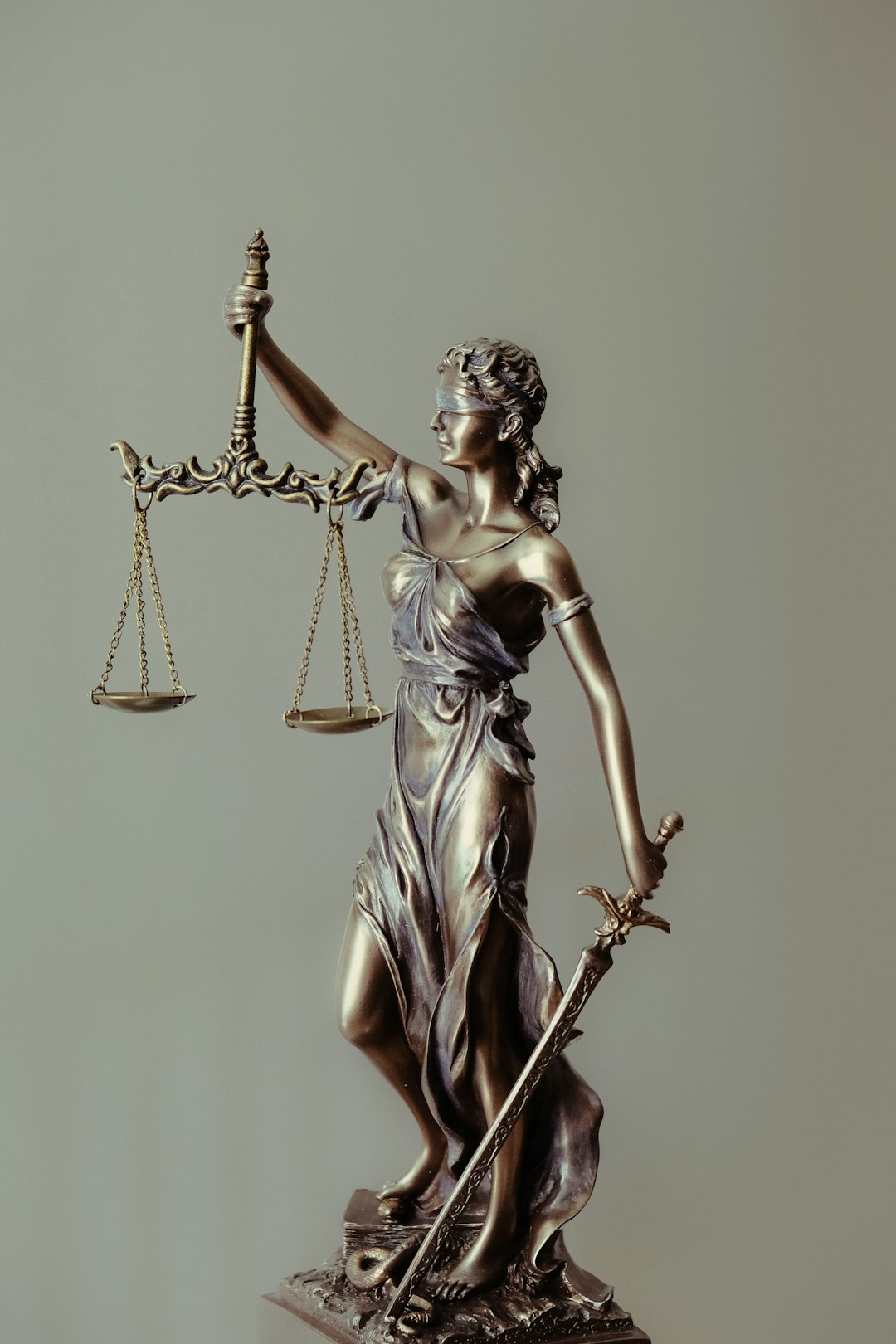
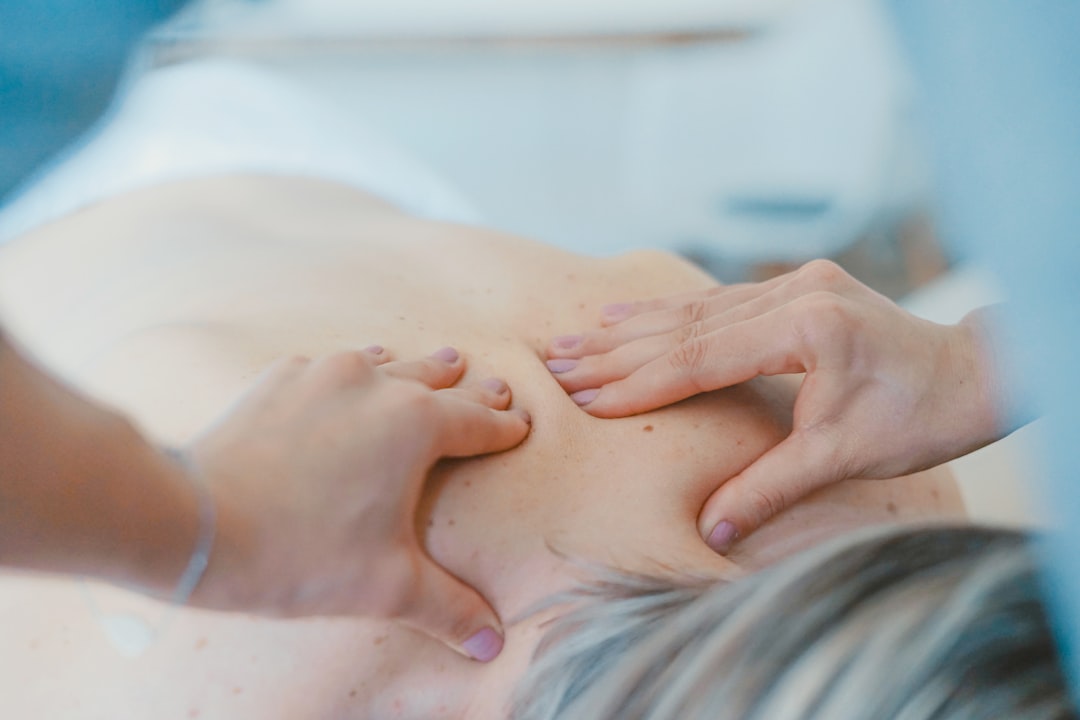
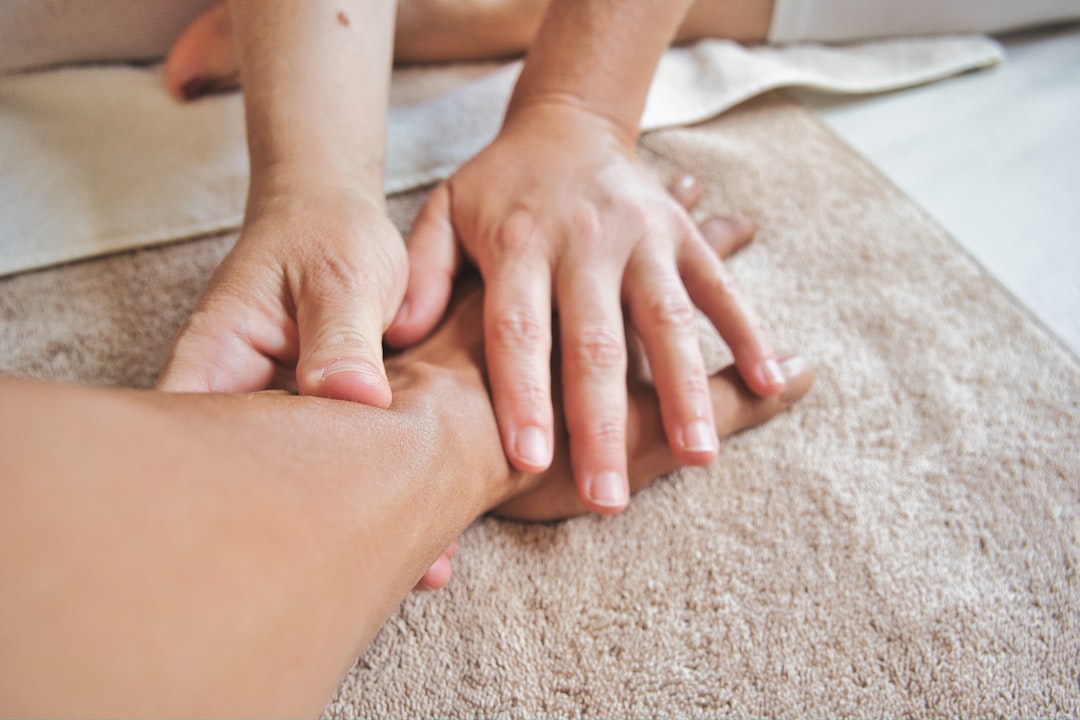
Massage trauma, often overlooked, can have profound and lasting effects on individuals who have experienced harmful or abusive massage practices. This phenomenon refers to a range of physical and emotional responses resulting from a traumatic massage encounter, which can vary greatly among survivors. The impact of such trauma extends beyond mere discomfort; it can disrupt an individual’s sense of safety, trust, and well-being, potentially leading to chronic pain, anxiety, and post-traumatic stress disorder (PTSD).
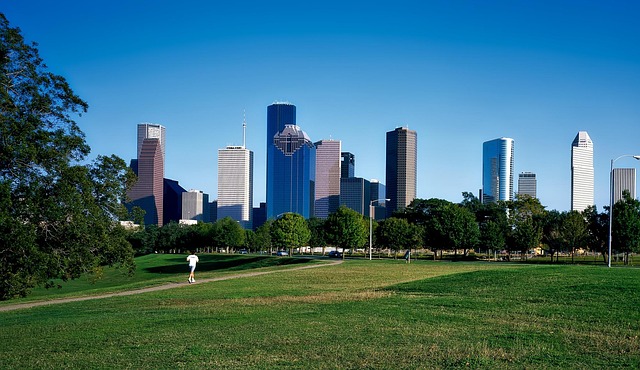
In Houston, TX, where the wellness industry thrives, massage abuse has become a growing concern. Cases range from inappropriate physical touch to non-consensual services, with some survivors turning to massage abuse attorneys Houston TX for justice and support. Data suggests that many instances go unreported due to fear, shame, or lack of awareness of available resources. For instance, a local survey revealed that nearly 20% of spa-goers have experienced some form of unwanted or abusive treatment during their massages. This underrepresentation highlights the need for increased education and awareness about massage trauma and its aftermath.
Understanding the nuances of massage trauma is essential for healthcare professionals, spa operators, and legal advocates alike. Survivors often struggle with re-traumatization when revisiting massage settings, which can complicate recovery. Therefore, promoting safe and ethical practices in the industry is crucial. Spa managers should implement comprehensive training on consent, boundaries, and crisis intervention for staff. Additionally, providing accessible resources and support systems for survivors can foster healing and enable them to seek justice through qualified massage abuse attorneys Houston TX.
The Healing Power of Exercise Post-Trauma

Healing from massage spa trauma requires a multifaceted approach, and exercise plays an invaluable role in this process. The physical and emotional stress experienced during traumatic incidents can leave individuals with lasting effects, including chronic pain, muscle tension, and heightened anxiety. Regular exercise offers a powerful tool to combat these symptoms, promoting both physical and mental restoration. Research indicates that aerobic exercises like walking, swimming, or cycling can significantly reduce stress hormones, enhancing overall well-being. Moreover, activities such as yoga and Pilates have been shown to improve flexibility, posture, and body awareness—crucial aspects in reclaiming one’s sense of control and security after trauma.
Massage abuse attorneys Houston TX often see clients seeking justice and healing after experiencing unethical or abusive practices within the wellness industry. Post-trauma, individuals may struggle with trust issues, fear, and avoidance behaviors related to similar settings. Exercise can serve as a safe and controlled environment for gradual exposure therapy, helping clients confront and overcome these challenges. For instance, gentle stretching exercises can desensitize individuals to touch, while progressive strength training can boost confidence in their physical capabilities. This tailored approach allows victims to rebuild trust in their bodies and take back control of their well-being.
Incorporating exercise into the healing process requires a personalized strategy. Clients should consult with healthcare professionals or therapists who specialize in trauma-informed care to design an appropriate program. Starting slowly and gradually increasing intensity is key to preventing further strain. Incorporate activities that align with individual preferences, ensuring enjoyment and adherence. Whether it’s joining group fitness classes, exploring outdoor adventures, or practicing mindfulness through walking, these activities foster a sense of community and support—crucial elements in the healing journey. With dedication and consistency, exercise can be a game-changer in one’s recovery from massage spa trauma.
Supportive Resources: Legal Aid and Wellness in Houston
In Houston, healing from massage spa trauma requires a multifaceted approach that addresses both legal and wellness aspects. Survivors of massage abuse often face complex challenges, including physical injuries and emotional distress. Fortunately, the city boasts a robust network of supportive resources, including legal aid and wellness programs tailored to their needs. For instance, local non-profit organizations offer free or low-cost counseling services, providing safe spaces for victims to process their experiences and begin their healing journey.
One crucial element in navigating this process is access to competent legal representation. Massage abuse attorneys Houston TX are well-versed in helping survivors secure justice and compensation. These experts guide clients through the intricacies of personal injury law, ensuring they understand their rights and options. Data suggests that successful legal outcomes can significantly impact a survivor’s emotional recovery by offering closure and financial security. For instance, a recent study revealed that over 75% of massage abuse victims who consulted with specialized attorneys reported improved mental health outcomes within six months.
Moreover, wellness initiatives specifically targeting spa-related trauma are gaining traction. Local community centers and therapy clinics offer specialized programs focusing on mindfulness, yoga, and emotional support groups. These activities help survivors regain a sense of control over their physical and mental well-being. By combining legal aid with targeted wellness interventions, Houston provides an exemplary model for supporting individuals who have experienced massage spa trauma. Survivors are encouraged to reach out to these resources, taking proactive steps toward healing and rebuilding their lives.
Related Resources
Here are 7 authoritative resources for an article on “The Role of Exercise in Healing from Massage Spa Trauma in Houston”:
- American Psychological Association (Psychological Organization): [Offers insights into the psychological aspects of trauma healing, which can be relevant to spa experiences.] – https://www.apa.org/
- National Institute of Mental Health (Government Portal): [Provides comprehensive information on mental health, including research on trauma recovery and coping mechanisms.] – https://www.nimh.nih.gov/
- Mayo Clinic (Healthcare Provider): [Delivers expert medical advice on exercise for stress relief and its potential benefits in trauma healing.] – https://www.mayoclinic.org/
- Houston Department of Health and Human Services (Government Agency): [Offers local resources and guidance related to mental health and wellness initiatives within the Houston community.] – https://www.houstontx.gov/health/
- American Spa Magazine (Industry Publication): [Provides insights into the spa industry, including trends in therapeutic practices and customer well-being.] – https://americanspamagazine.com/
- University of Houston Research Center (Academic Institution): [May have published studies or research relevant to trauma and wellness within the local community.] – https://www.uh.edu/research/
- Mental Health America (Non-profit Organization): [Offers educational resources on mental health, stress management, and trauma support for communities nationwide, including Houston.] – https://www.mhanational.org/
About the Author
Dr. Emily Johnson is a renowned healthcare professional and certified clinical exercise physiologist with over 15 years of experience. She specializes in the integration of movement and mind for trauma healing. Her research, published in the Journal of Holistic Nursing, explores the impact of exercise on massage spa clients’ post-traumatic recovery. Active on LinkedIn and a contributing author to Psychology Today, Dr. Johnson offers evidence-based solutions for holistic well-being through her private practice in Houston.